
The age of becoming
My daughter turned 19 and sometimes, I'm still in denial.
When I was 18, I became pregnant. I didn’t know then what that entailed except that I was in trouble with my parents, my tummy was about to get bigger, and I’m about to have a kid that I’d be responsible for for about half of their life. I didn’t know that it meant foregoing going out with friends when I was in college because I had to be home to take care of her. I didn’t know that I had to grow up so quickly, expected to be an adult, a parent.
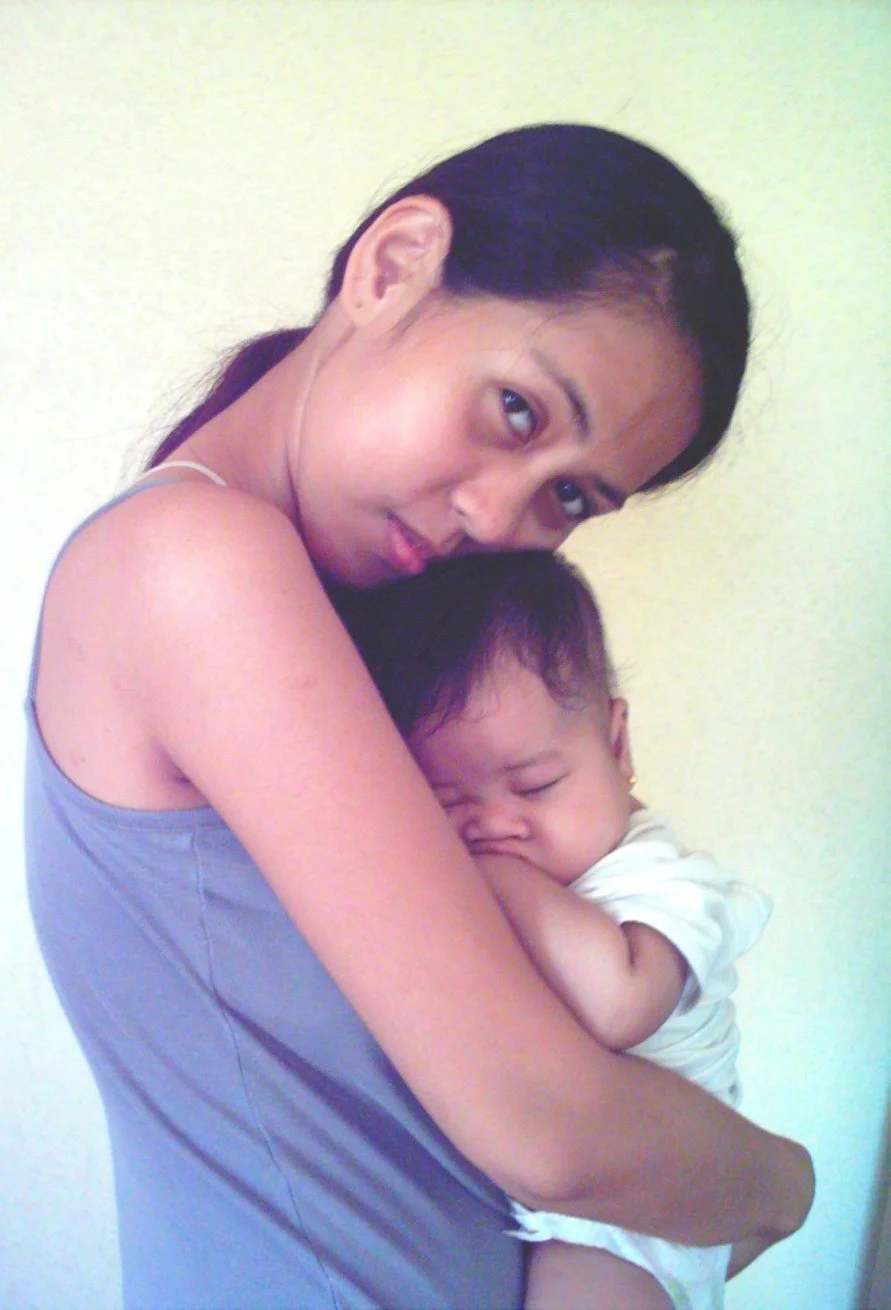
Me at 18 unsure of my new future but determined to do the best.
But I got through it—thank God. I realised that in (maybe) most women, there is a switch that gets flicked on the moment you become a mother. It’s a kind of adrenaline that goes on for the next 18 years of your child’s life—or maybe more. Their needs and future goes to the forefront of everything you do. And doing all of that at the young age of 18? Suffice it to say that it was challenging simultaneously having to navigate turning into an adult while taking care of a baby who was turning into a full grown person.
And then they turn 18 and it’s a full circle moment. You look at all your struggles, all their challenges and how it’s been a journey but you’ve both made it. They’ve walked across their high school stage with a cap and gown, your eyes have welled up with tears thinking, “How did we get here? I’m so proud.”
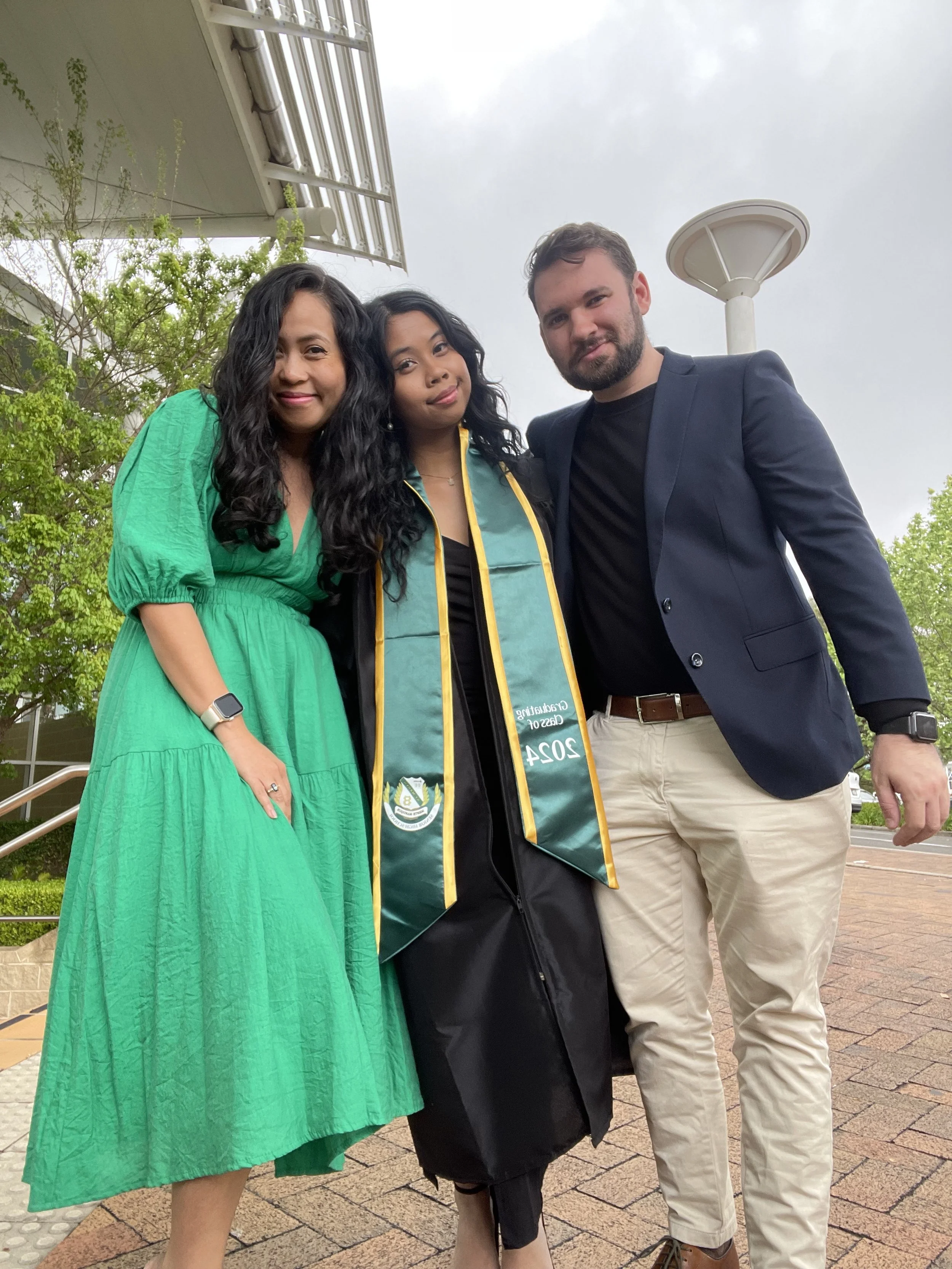
Her high school graduation—we couldn’t be more proud.
Now for some people, that’s where it stops. They’re 18 now—an adult, essentially, trying to make their way into the world, their own way.
But does it really stop? More importantly, do we, as parents, want it to stop?
Last week, my daughter turned 19. She’s crossed the threshold of “adulthood” last year, and so now, what does turning 19 mean?
Now is the age where how I’ve raised her is slowly unfolding. Instead of teaching her how to tie her shoelaces or teach her how to read and write, I now teach her how to separate the colours and the whites, the delicates and the jeans in her laundry load. It’s teaching her how to make pasta, how to save, how to carefully scout for the best price of whatever it is she wants to buy. These days, I’m teaching her the skills to get her set up for when she becomes a full adult—moved out and independent, paving a life of her own without me.
Once, her seven-year-old self told me that the end of her shoelace is actually called an “aglet”. I’ve never heard of the term back then and was thoroughly impressed. Apparently she learned it off Phineas and Ferb.
Where did that little girl go?
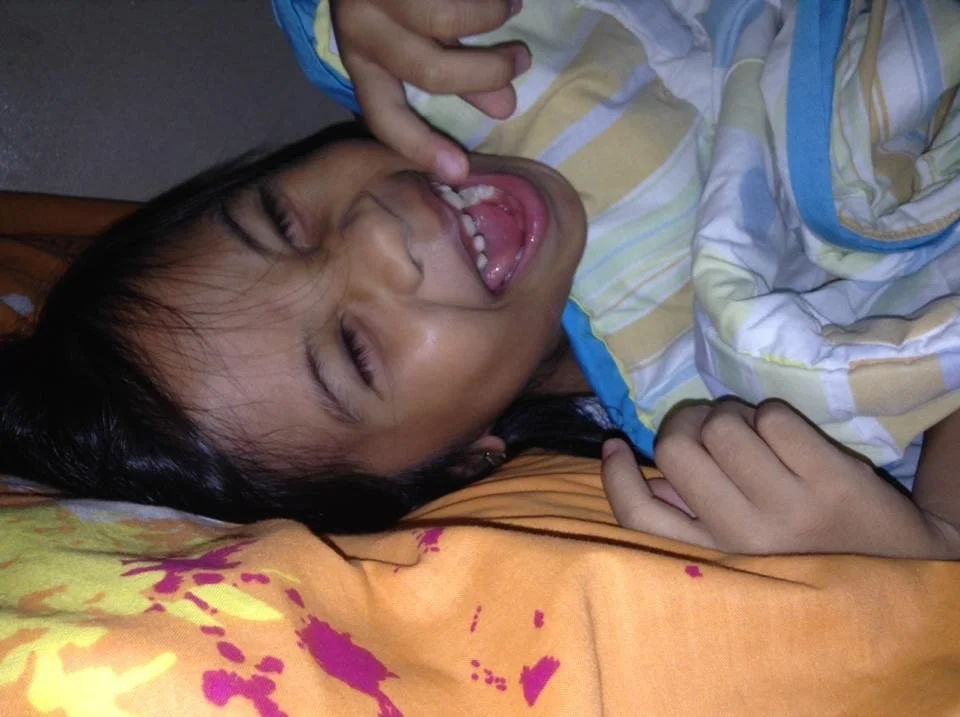
“Mommy, I’m going through puberty!” She joked once, laughing out loud at the absurdity of it all.
When you’re about to become a parent, everybody tells you about the beauty of life but nobody warns you about the grief you’ll experience when they get older. It’s a beautifully painful kind of grief—like your heart is missing their childhood but it’s also expanding to make space for their grown up selves. It’s watching them trade the toys and the playground for the cafe and the club with friends. It’s taking them hiking fully expecting to still see the childlike wonder in them but quickly realising that it’s actually not their thing anymore. They’d much rather be at home watching TV or chatting with their friends. It’s having to adjust your brain again that what they used to like is now a thing of the past, a memory.
Sometimes when I get snippets of the little girl inside her, it makes me feel warm inside. It reminds me that she’s still there, that I’m just being silly and focusing too much on the has been rather than what is in front me—a beautiful girl who is the accumulation of her childhood self and her budding adult one. It reminds me that if I focus too much on this “grief”, that I would miss who she is becoming.
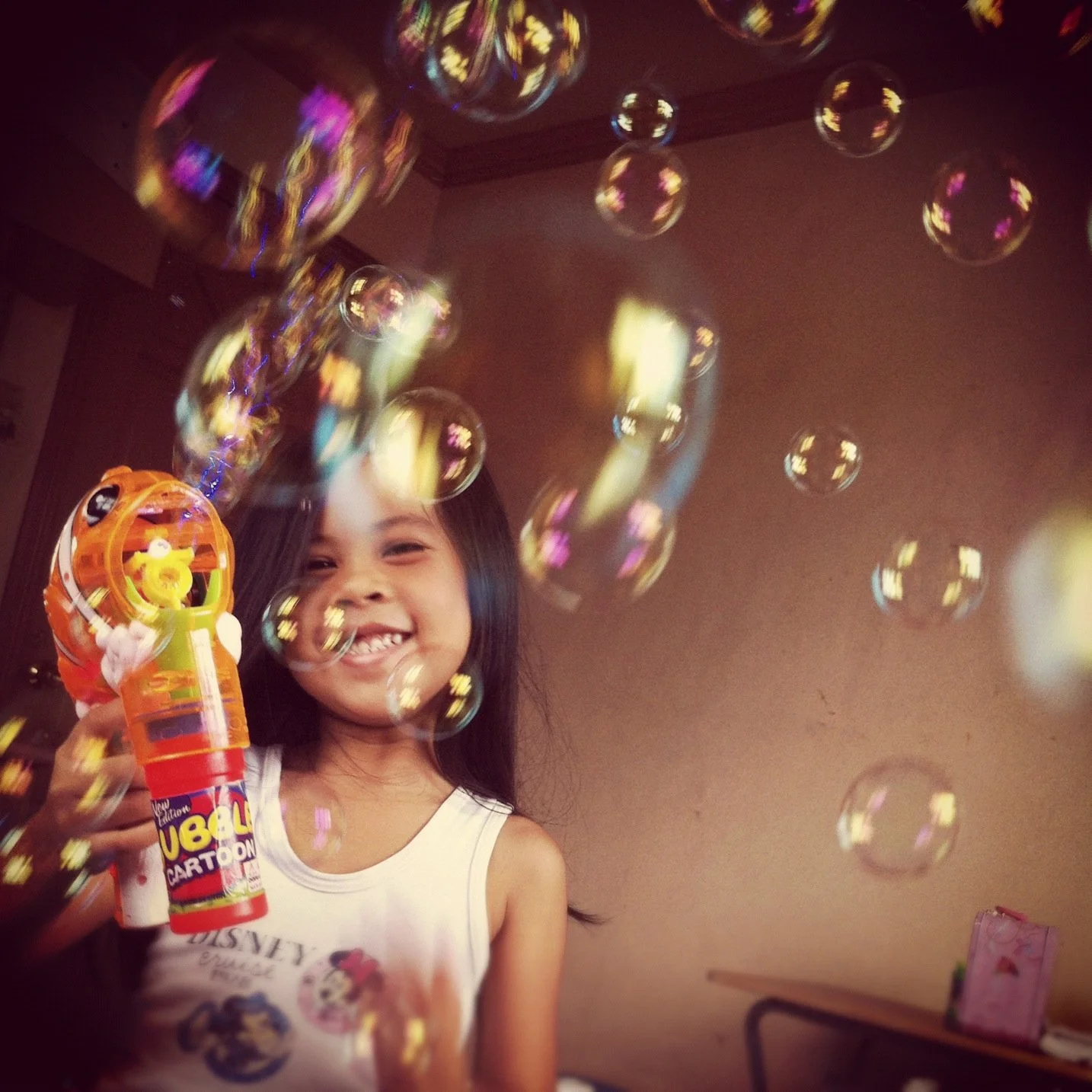
Oh, to bottle up her childlike wonder.
When she’s in a good mood, she would come out of her room and dance in front of the TV. When I ask her to clean her bathroom, I would hear her screaming because she has to clean the drains filled with hair—a gross reality that has turned hilarious to me because as a kid, she hated hair with a passion. Strands of hair. Every time she’d see them on the bed, she would freak out. It’s the funniest thing.
One morning, she was probably six or seven at this time (I love this age), she woke up and told me she had a nightmare. In her dream, she was walking down the stairs, ready for breakfast, when she saw that all of her family members turned into giant lizards. She was completely terrified. Until now we talk and laugh about it. Nineteen year old and she still hates lizards.
Oftentimes, my husband and I observe her from afar and realise how much she’s grown—how much she’s beautifully growing. I sometimes wonder what good I ever did in this life to deserve such a well-mannered, level-headed daughter like her. She’s more emotionally well-regulated than I was when I was her age (even with a one-year-old at that time). She laughs in her room a lot—something I never did much of as a teenager. I was a depressed one. She, on the other hand, is just living life.
I got a text from her one early morning where she said she took a 5am shift at work and slipped out of the house. “I tried to leave like I snuck out HAHAHAHA” the message said. Silly girl. What was I on about before? She’s still the same—albeit a growing adult—but the same.
She talks about moving out at 22 or 25. Am I prepared for that? I need to start preparing for that.
On the night of her 19th birthday, she told me that she had been feeling sad the past couple of weeks. She was planning to end a two-year relationship and felt devastated about it. While it was a good one, she thought it lacked a few fundamental things she needed. She just turned 19 and she’s already making sound but difficult decisions. How did we get here? The next few days that followed were hard but she pushed through. On the night of the breakup, I listened to her talk and cry. I was hiding my tears, too. I felt for her, I felt for them both. Such a stark difference to consoling her from a lizard nightmare.

Her at 19—beautifully growing.
As I get older, I now understand why our parents and grandparents talk about nostalgia a lot. There is a novelty to remembering how things were and how happy they made you. Even the struggles seem have turned rose-coloured now that they have been overcome because wasn’t the most important thing was that we were more together, more intact?
Whenever a wave of sadness or nostalgia overwhelms me, I wonder, was this how my parents felt back then? When I would miss family dinners because I’m out with my friends, when instead of going home to the family after work, I’d go out and do post-work drinks with officemates. When I told them about my dream to move to a different country and finally moved, did they feel this too—a weird mix of sadness and pride?
I came across a video once that talked about this. The lady, who I think was a psychiatrist, said, “The true test of parenting is when they grow up and they don’t need you as much. That means you have raised them well.” And while that statement can have a lot of counter arguments, and I do still want her to need me for the important things in the future, I would like to think that it’s true.
If this is 19, I wonder what 20 looks like?

Me at 37 grateful for the journey and grateful for this girl who’s now turning into a lady.